News & Insights
The 1.4% a year your performance table doesn't show

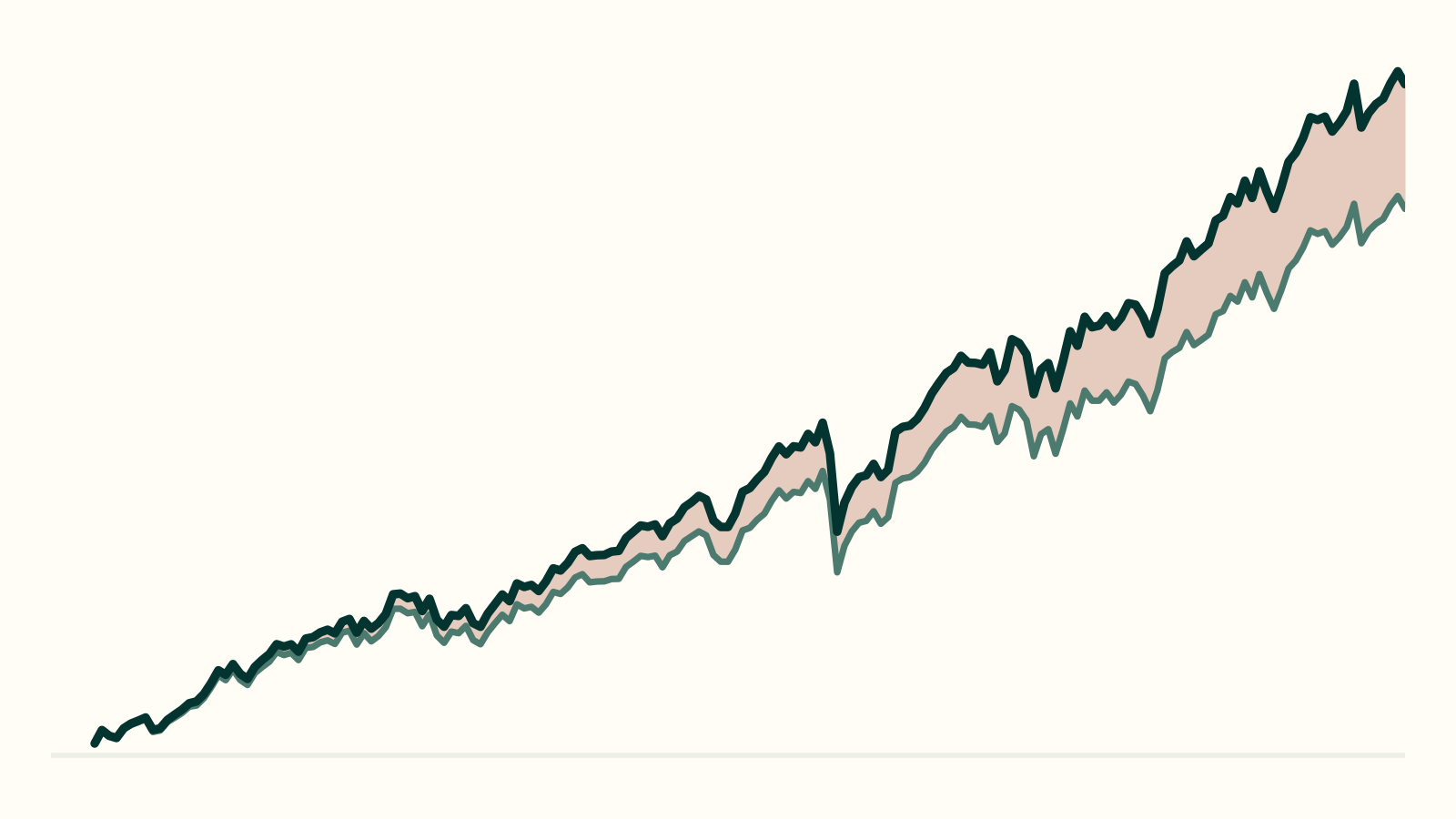
Over fifteen years the Australian sharemarket returned 9.75% a year. It also returned 11.14%. The difference is franking — bigger than most fees, and missing from most performance tables. Where it comes from inside a portfolio, why a 70/30 blend collects only about seven-tenths of it, and why it belongs on both sides of any comparison.

Postcard from Malaysia: at the front lines of the AI infrastructure build

The largest Australian float in thirty years was pulled on 9 October. We had been in Malaysia days before, meeting the people who build and operate this capacity. What we found was a real cost advantage that belongs more to the place than to the company, and a wave of supply arriving over the next two years.

Why we no longer own a major bank

In August 2025 we put a paper to our advisory board setting out what we thought of Australia's major banks. We owned two of them then and none of them now. Here is the argument, what a visiting investor said about why large funds cannot act on it, and where the numbers sit today.

Twenty companies, two-thirds of the index
Twenty companies are 64% of the ASX 200 — and only three of them trade below their own five-year median multiple, against 99 of the 162 outside the top twenty. The gap survives every cut we tried.
Upside and downside capture: read them together
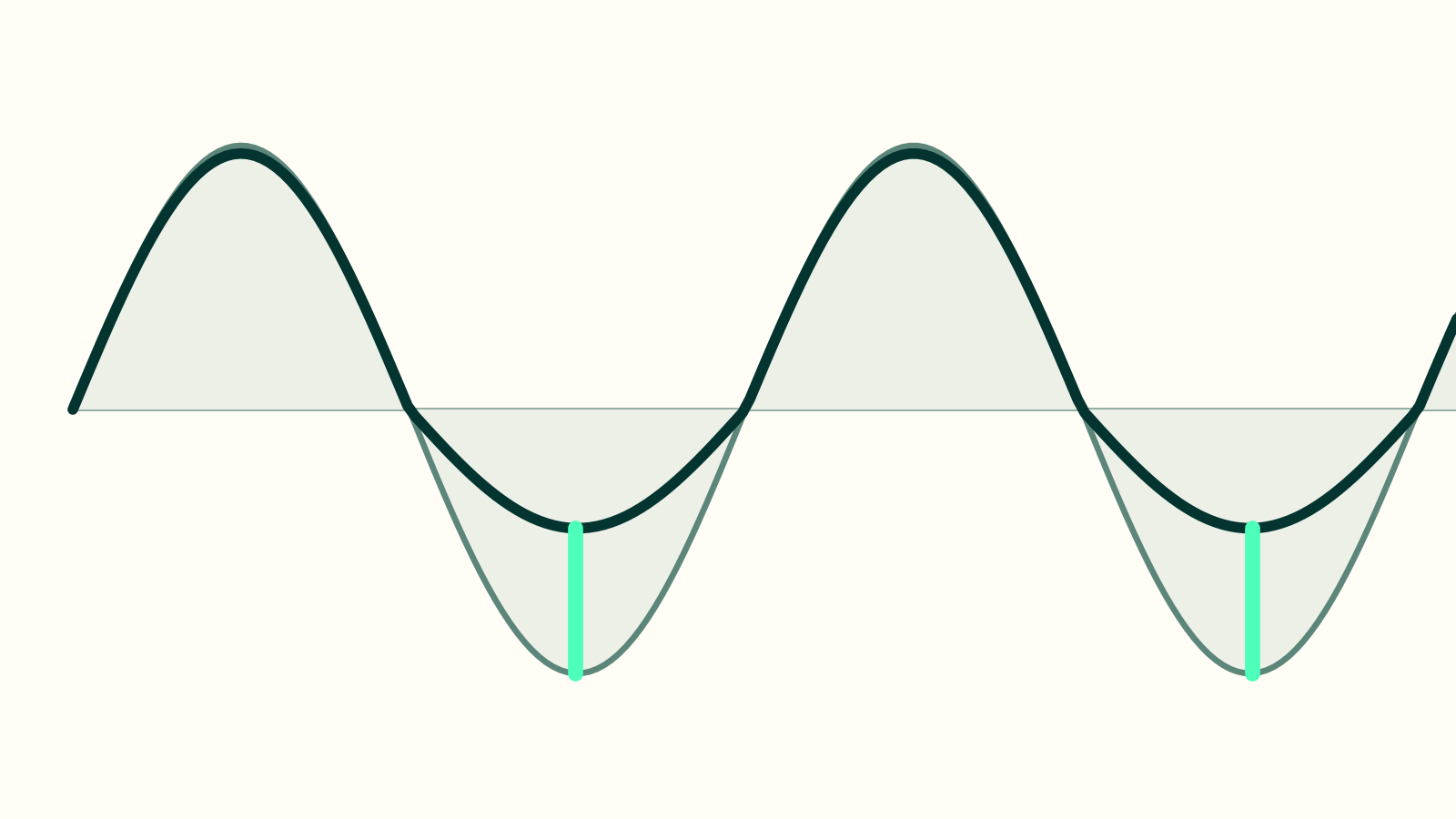
A low downside capture number can be bought with cash, and it costs upside in the same motion. Why the spread between the two is the figure that matters, and how to check a fund.
Aurizon: what we asked the board for, and what happened
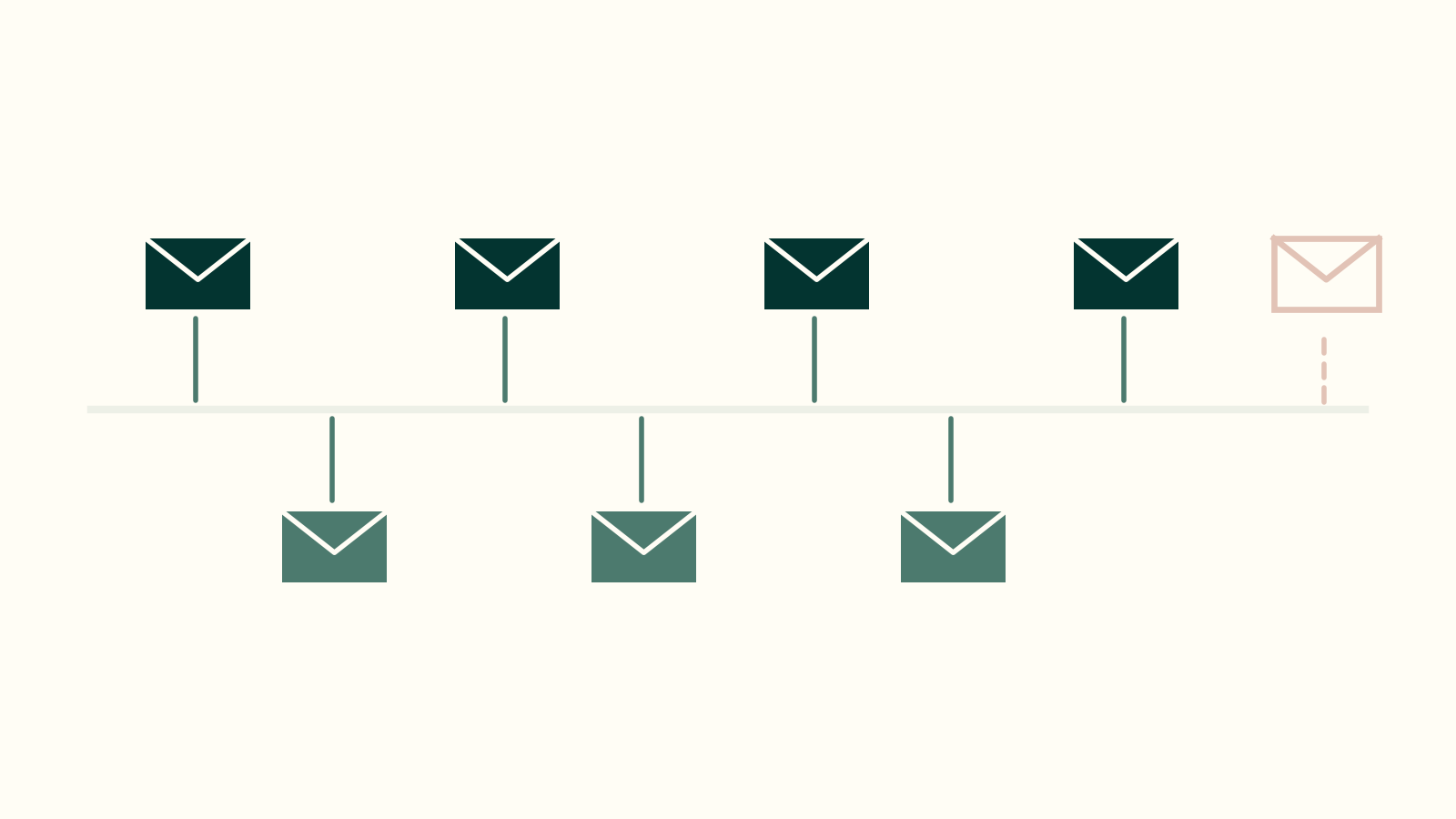
We wrote to Aurizon's directors three days after a $2.35bn acquisition, and kept writing for four years. The chairman answered, then disputed our account of him — and our own Advisory Board talked us out of the third letter.
Judo Bank: how a position gets built
How a 40% one-day fall in a bank we had looked at for a year became a position in our portfolio: the research, the pause at half weight for our Advisory Board, and why liquidity rather than conviction set the final size.

The investor's blind spots: five biases your clients will recognise
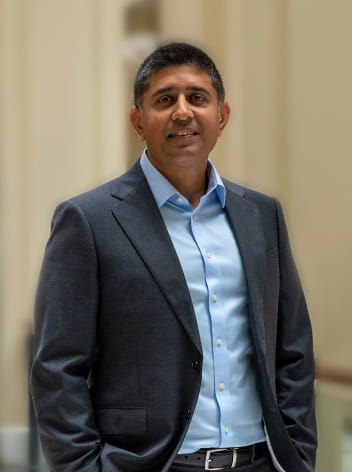
Seventeen biases, one field guide. Kirit Hira on the five that come up most in client conversations, from selling winners too early to anchoring on the price paid, and the one question that cuts through all of them.
What's left when the machines take the easy trade?
Super funds are telling stock pickers to adapt or die. Joey Mui argues the opposite: systematic money has taken the easy trade, and what it leaves behind is the more rewarding one for patient investors.

Tracking error is not risk
Tracking error and volatility are often read as the same thing. They are not, and confusing them can mean paying active fees for index risk. A short lesson on telling them apart, what the fees are buying, and how to check a fund.
“Success is a culture of integrity, passion and purpose. Deep client trust. Investment outcomes
worth the trust. A business built to outlast us.”
